AGP Executive Report
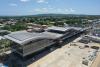
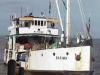
Last update: 36 minutes agoCaribbean AI & Data Centres: Trinidad and Tobago’s AI push is moving from deals to delivery, with signed MoUs for major data centre projects and a steel revival raising big questions about power and water capacity. Maritime Safety & Accountability: Guyana’s President Irfaan Ali named a five-member Commission of Inquiry into the MV Barima disaster, including Trinidad and Tobago maritime law expert Nyree Dawn Alfonso and retired Rear Admiral Hayden Pritchard, to examine negligence, vessel safety, loading, and the search-and-rescue response. Tobago Tourism Skills: The Tobago Hospitality and Tourism Institute (THTI) is urging hospitality certification as the island prepares for a visitor surge tied to the new ANR Robinson terminal. Workforce & Industry Training: The Point Lisas Industrial Apprenticeship Programme (PLIAP) has been formally aligned with Trinidad and Tobago’s national apprenticeship framework, strengthening education-to-industry links. Local Environment & Community: Volunteers removed 1,022 pounds of waste from the Cunupia River mangroves, while another coastal clean-up in Chaguanas highlighted mangroves’ role in filtering pollution and supporting eco-tourism. Trade Shockwatch: The U.S. imposed new forced-labour tariffs affecting Trinidad and Tobago among 60+ partners, with importers facing 10%–12.5% duties depending on product carve-outs.
Note: AI summary from news headlines; neutral sources weighted more to help reduce bias in the result. Feedback is welcome. Please let us know if you have any comments or suggestions about the AGP Executive Report.
 Perspectify News